





304 vs 316 Stainless Steel Water Bottles: Which Is Safer & What's the Difference?
Worried about water bottle safety? Learn the difference between 304 and 316 food-grade stainless steel, why both are safe, and which grade suits you best.
When it comes to choosing a safe, reusable water bottle, the material matters just as much as the design. Recent news of a man in Taiwan reportedly suffering lead poisoning after years of using a low-quality thermal cup has many of us asking the same question: "Is my water bottle actually safe?"
The answer comes down to one thing — the grade of stainless steel your bottle is made from. In this guide, we'll break down the difference between 304 and 316 stainless steel, why both are considered food-safe, and how to choose the right one for your daily hydration needs.
Why Stainless Steel Grade Matters for Water Bottles
Most insulated water bottles and thermal flasks are built with two layers of stainless steel and a vacuum gap in between to keep drinks hot or cold. That vacuum is sealed using a small amount of solder — and on cheaper, low-quality bottles, that solder can contain lead.
As long as the inner lining stays intact, the lead never comes into contact with your drink. The danger begins when:
• The inner lining rusts or corrodes over time
• The bottle holds acidic drinks like coffee, juice, or tea for extended periods
• Boiling water is repeatedly used to "sanitise" the bottle, damaging the coating
• The bottle is old, scratched, or worn down after years of heavy use
Once the protective inner layer breaks down, harmful substances — including lead from the solder — can slowly leach into your beverage. This is exactly why the grade of stainless steel used to make your bottle is so important.
"But Wasn't the Taiwan Man Using a Stainless Steel Bottle Too?"
This is the question many readers are asking — and it's a fair one. If stainless steel is supposed to be safe, how did this happen?
The answer comes down to three critical factors that most people overlook:
1. Not all "stainless steel" is the same grade
Reports from Taiwan never confirmed the exact grade of stainless steel used in the man's thermal cup. Doctors instead pointed to the bottle being made of "poor quality material" that had aged badly. Many cheap thermal flasks on the market are actually made from 201 stainless steel — a low-grade alloy that contains less chromium and nickel, making it far more prone to rust and corrosion. It's not food-grade certified, but it often gets sold as "stainless steel" because, technically, it is.
This is why grade matters. 304 and 316 are the only stainless steel grades certified safe for food and beverage contact. Anything below that — including 201 — should never touch your drink.
2. He used the bottle for 10+ years without replacing it
Even the highest-grade stainless steel has a lifespan. The man reportedly used the same thermal cup daily for over a decade, well past the point where it had visibly rusted on the inside. Once that inner lining is compromised, no grade of stainless steel can protect you — the rust itself becomes a pathway for whatever lies beneath the lining (including lead solder used in cheap manufacturing).
Health experts generally recommend replacing thermal flasks every 1–2 years, or immediately if you spot rust, dents, or damage.
3. He repeatedly stored acidic drinks like coffee and cola
Acidic beverages — coffee, tea, citrus juices, carbonated drinks — gradually wear down the inner coating of any bottle, especially when left sitting for hours. Combined with a low-grade material and a decade of daily use, this created the perfect storm for heavy metals to leach into his drinks.
The Takeaway
The Taiwan case isn't a story about stainless steel failing — it's a story about what happens when low-grade material, neglect, and acidic drinks combine over many years. A genuine 304 or 316 food-grade stainless steel bottle, properly cared for and replaced when worn out, doesn't carry the same risk.
That's exactly why we use only certified 304 and 316 food-grade stainless steel — and why we always recommend inspecting your bottle regularly and replacing it when it shows signs of wear.
What Is 304 Stainless Steel?
304 stainless steel — also known as 18/8 stainless steel — is the global gold standard for food-grade applications. It contains 18% chromium and 8% nickel, giving it excellent resistance to rust, corrosion, and staining.
Why 304 Stainless Steel Is Safe
✅ FDA-approved for food and beverage contact
✅ Highly rust-resistant and durable
✅ Non-reactive with most foods and drinks
✅ Used worldwide in professional kitchens, cookware, and premium drinkware
✅ BPA-free and chemical-free
If you're using a 304 stainless steel water bottle for everyday hydration, you're using one of the safest, most trusted materials available.
What Is 316 Stainless Steel?
316 stainless steel is the premium upgrade — often referred to as "marine grade" or "medical grade" stainless steel. It contains the same chromium and nickel as 304, plus an extra element called molybdenum, which gives it superior resistance to acids, salts, and chlorides.
Why 316 Stainless Steel Is the Safest Choice
🏥 Used in surgical instruments and medical implants
⚓ Trusted in marine equipment that lives in saltwater
☕ Highly resistant to acidic drinks like coffee, lemon water, and juices
🛡️ Virtually zero risk of metal leaching, even after years of heavy use
💎 Smoother surface, easier to sanitise, and longer-lasting
304 vs 316 Stainless Steel: Which One Should You Choose?
| Feature | 304 Stainless Steel | 316 Stainless Steel |
|---|---|---|
| Food-grade certified | ✅ Yes | ✅ Yes |
| Rust resistance | High | Superior |
| Acid resistance | Good | Excellent |
| Best for | Everyday water, daily use | Coffee, citrus, long-term use |
| Common name | 18/8 | Marine / Medical grade |
| Price point | Standard | Premium |
The bottom line: Both 304 and 316 are safe, food-grade options. 304 is more than sufficient for everyday hydration, while 316 offers an added layer of protection — particularly for those who frequently drink acidic beverages or want the highest tier of material safety.
Our Bottles: Made with Food-Grade Stainless Steel
Every bottle in our range is crafted from food-grade stainless steel — never cheap 201 alloys, never unmarked materials, never lead-based shortcuts.
304 Stainless Steel — Used Across Most of Our Range
The trusted everyday choice. Safe, durable, and built to last for years of daily hydration.
Shop Collections made from 304 Stainless Steel
View All
SKU: STK/S16SG0538/16OZ/SG
AVAILABILITY: In stock (12 items)
PRODUCT TYPE:
VENDOR: STTOKE
SKU: STK/S16LB0484/16OZ/LB
AVAILABILITY: In stock (4 items)
PRODUCT TYPE:
VENDOR: STTOKE
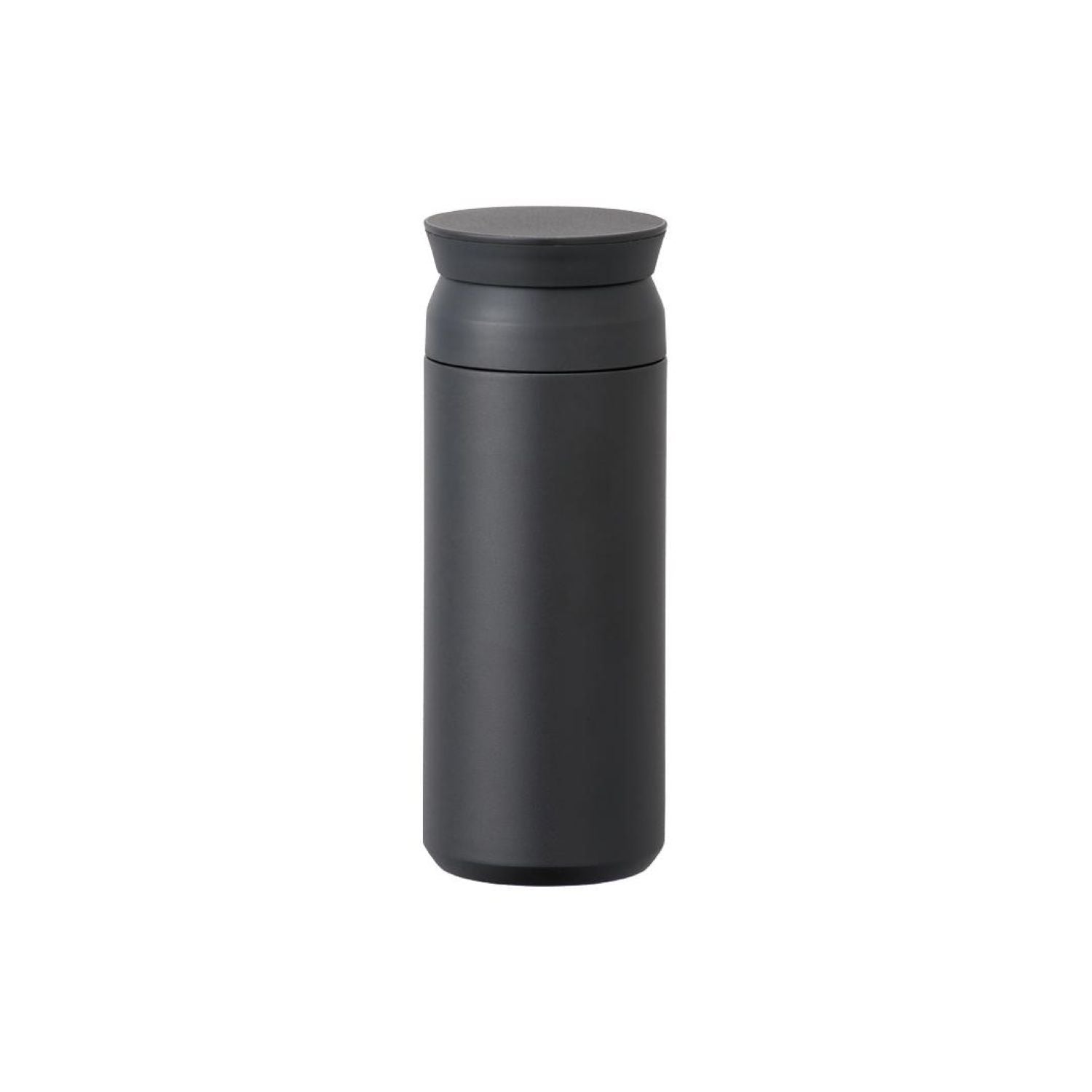
SKU: KTO/20946/500/BLK
AVAILABILITY: In stock (5 items)
PRODUCT TYPE:
VENDOR: Kinto
TRAVEL TUMBLER is designed for people who lead a conscious and flexible lifestylefor those who appreciate the subtle flavors of single origin coffee and tea, or like to drink mineral water at the temperature that is just right for your...
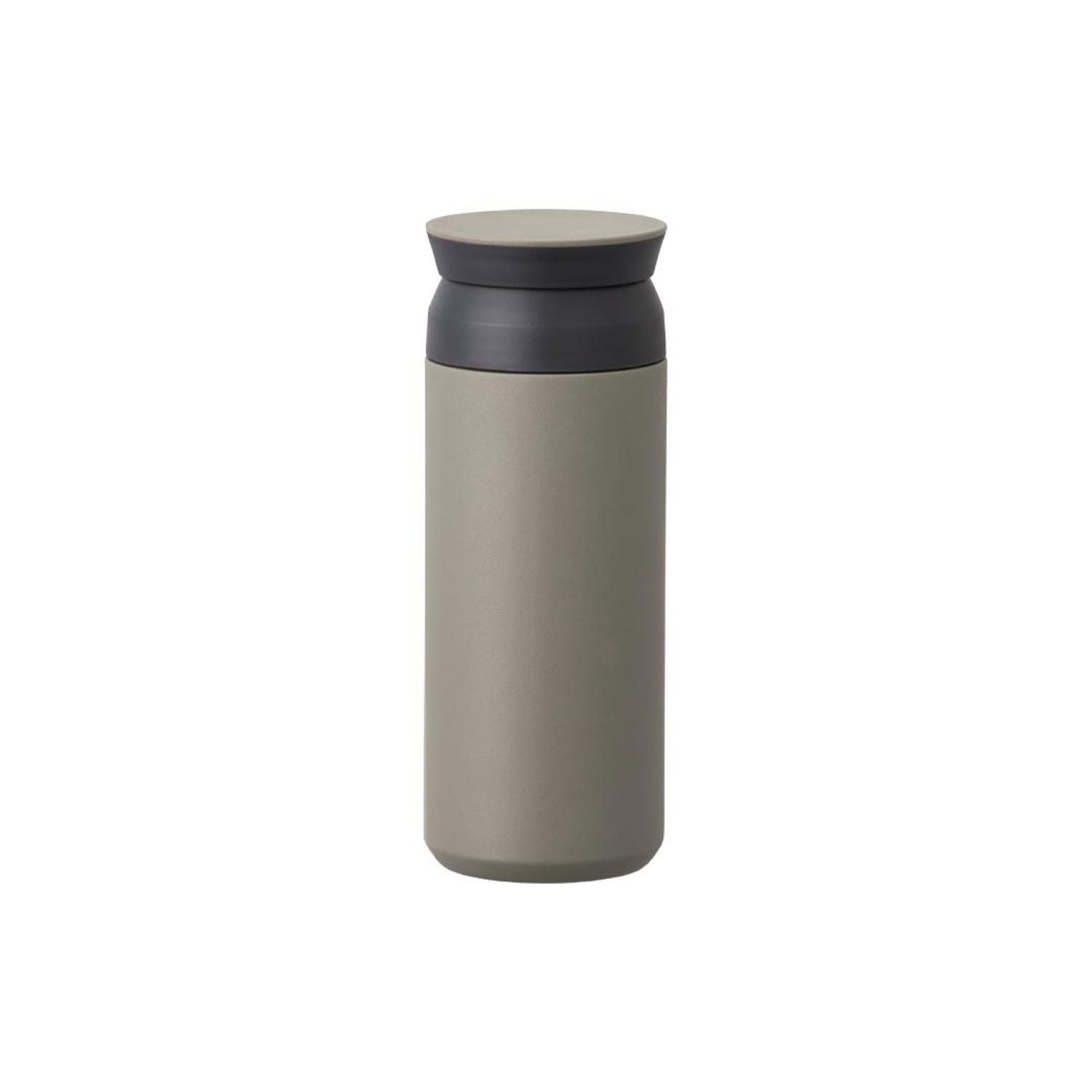
SKU: KTO/20944/500/KHA
AVAILABILITY: In stock (3 items)
PRODUCT TYPE:
VENDOR: Kinto
TRAVEL TUMBLER is designed for people who lead a conscious and flexible lifestylefor those who appreciate the subtle flavors of single origin coffee and tea, or like to drink mineral water at the temperature that is just right for your...
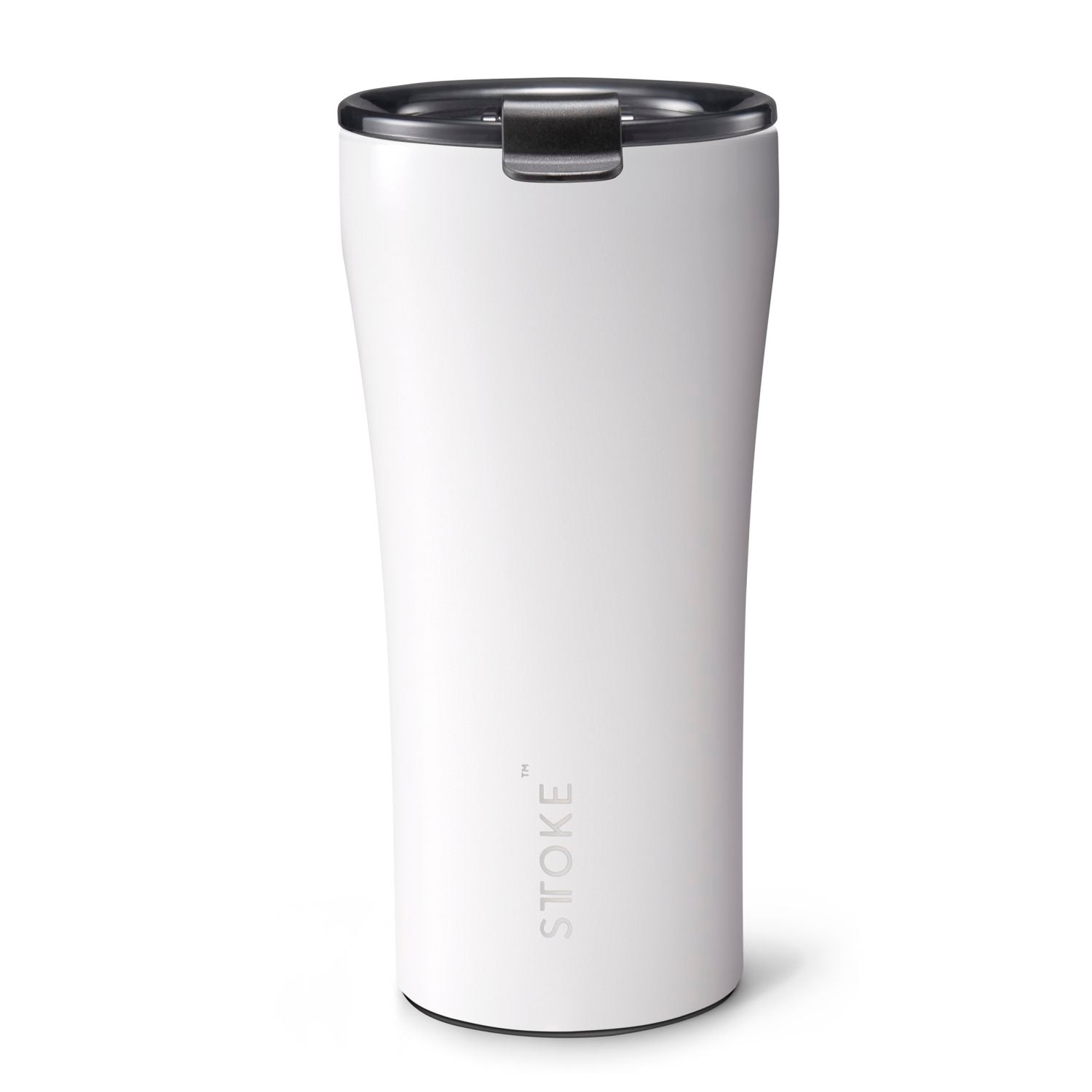
SKU: STK/S16AW0514/160Z/AW
AVAILABILITY: In stock (6 items)
PRODUCT TYPE:
VENDOR: STTOKE
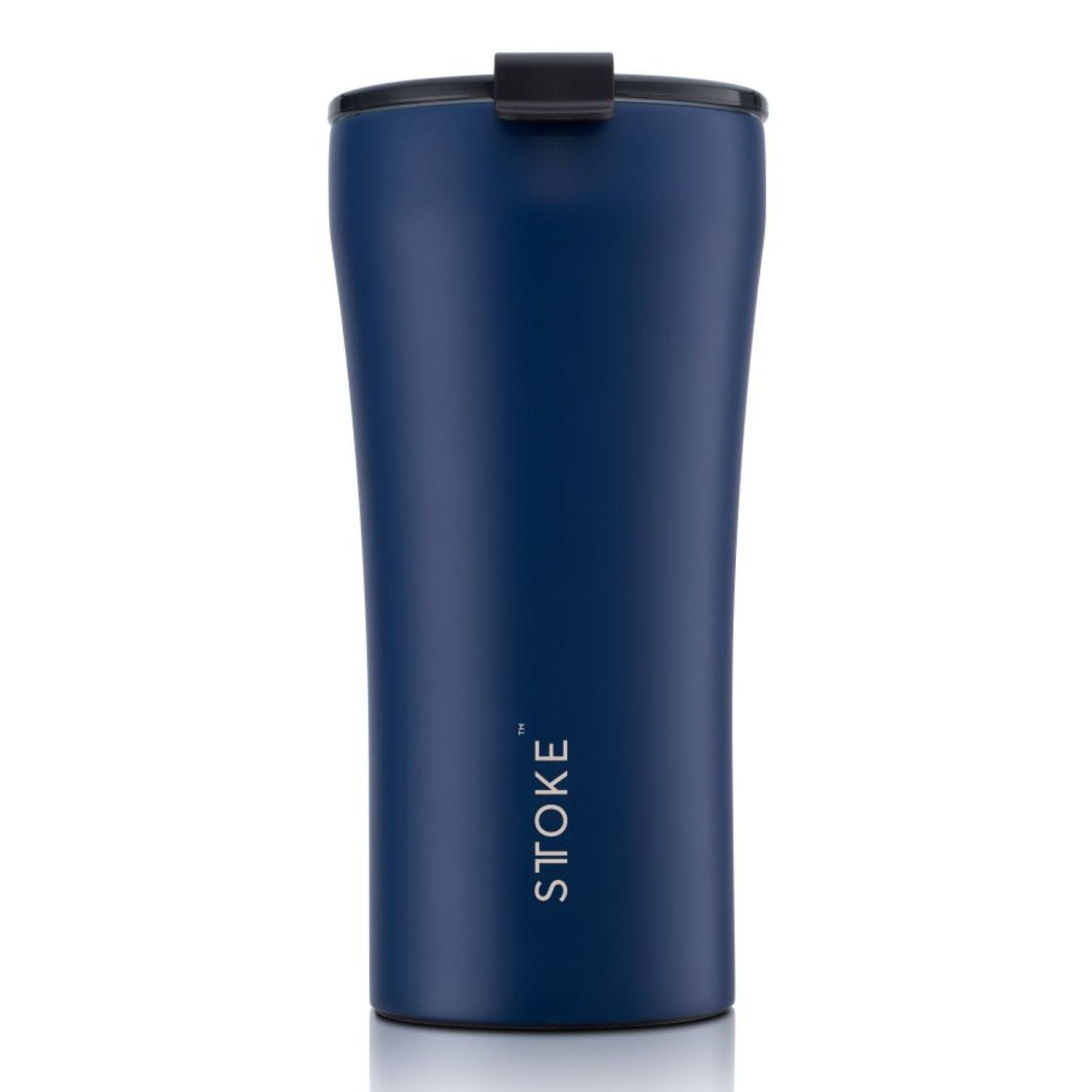
SKU: STK/S16MB0521/16OZ/MB
AVAILABILITY: In stock (12 items)
PRODUCT TYPE:
VENDOR: STTOKE
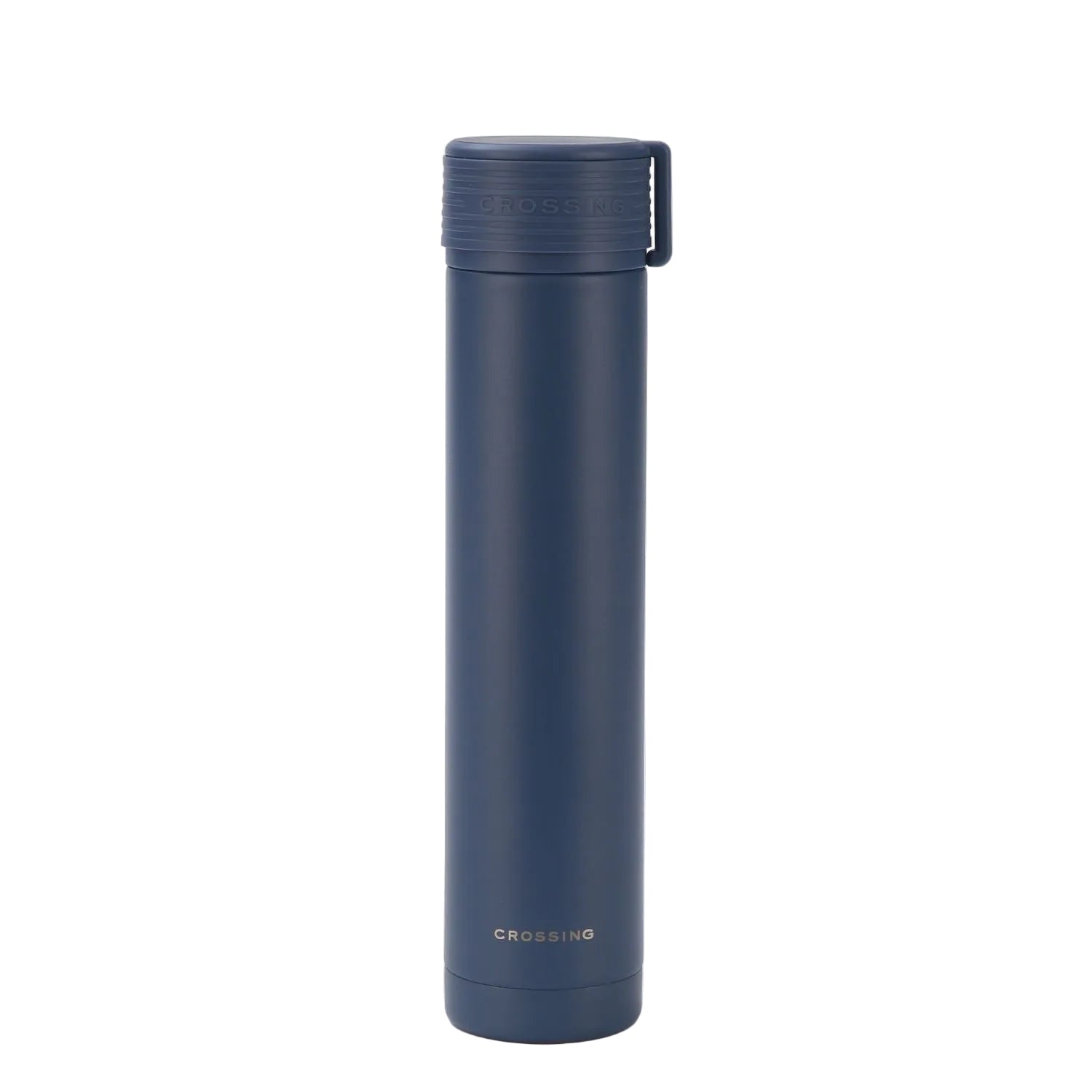
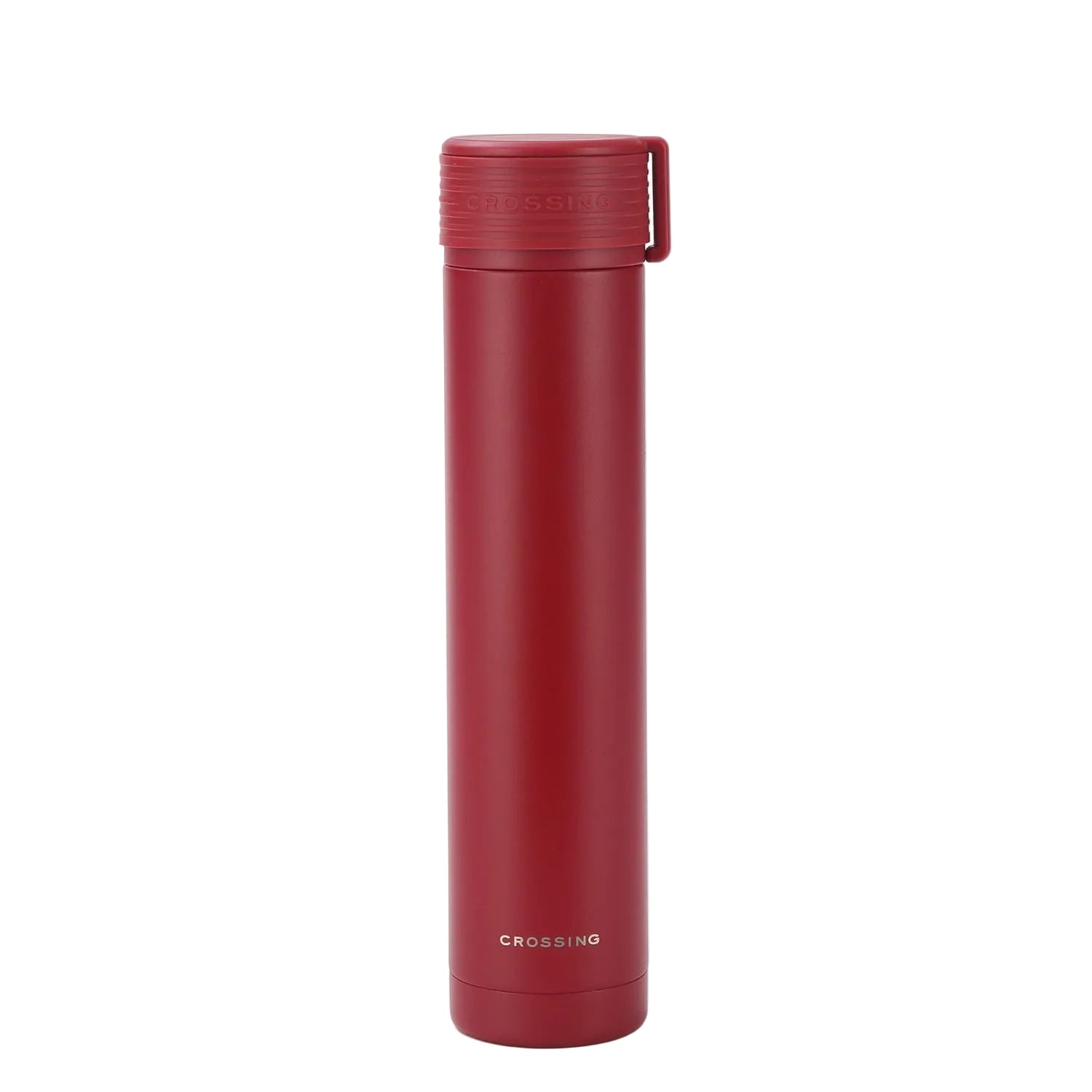
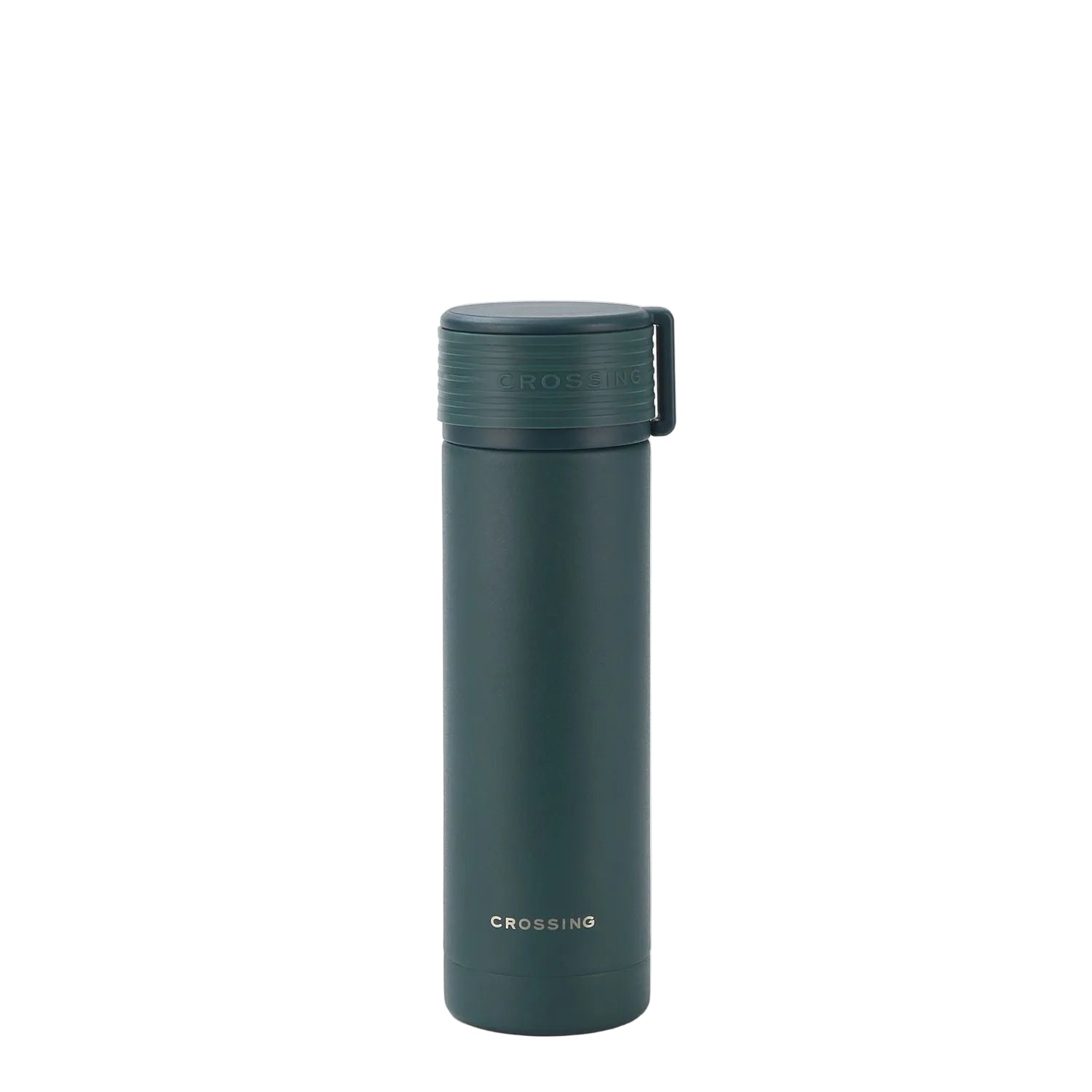
316 Stainless Steel — Exclusive to Our Crossing Compact Slim Bottle
For those who want the highest grade available, our Crossing Compact Slim Bottle is crafted in premium 316 stainless steel — the same material trusted in operating theatres and ocean-going equipment. Ideal for coffee lovers, citrus drinkers, and anyone who wants extra peace of mind.
Shop Crossing Compact Slim Bottle
View All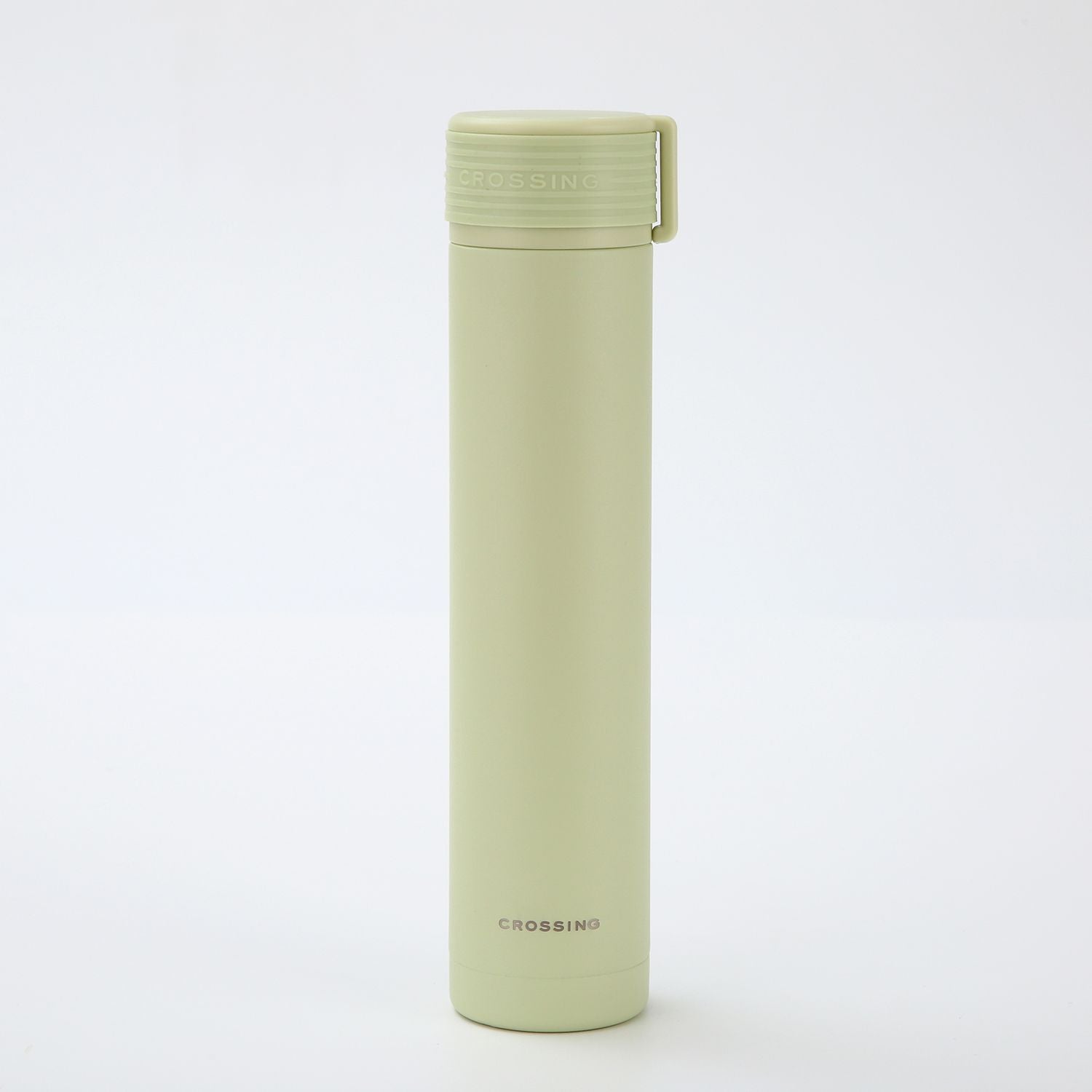
SKU: CSB/B3007/250/PTCJ
AVAILABILITY: In stock (15 items)
PRODUCT TYPE:
VENDOR: Crossing
SKU: CSB/B3007/250/DUBL
AVAILABILITY: In stock (11 items)
PRODUCT TYPE:
VENDOR: Crossing
SKU: CSB/B3007/250/BURG
AVAILABILITY: In stock (3 items)
PRODUCT TYPE:
VENDOR: Crossing
SKU: CSB/B3008/180/SQUA
AVAILABILITY: In stock (8 items)
PRODUCT TYPE:
VENDOR: Crossing
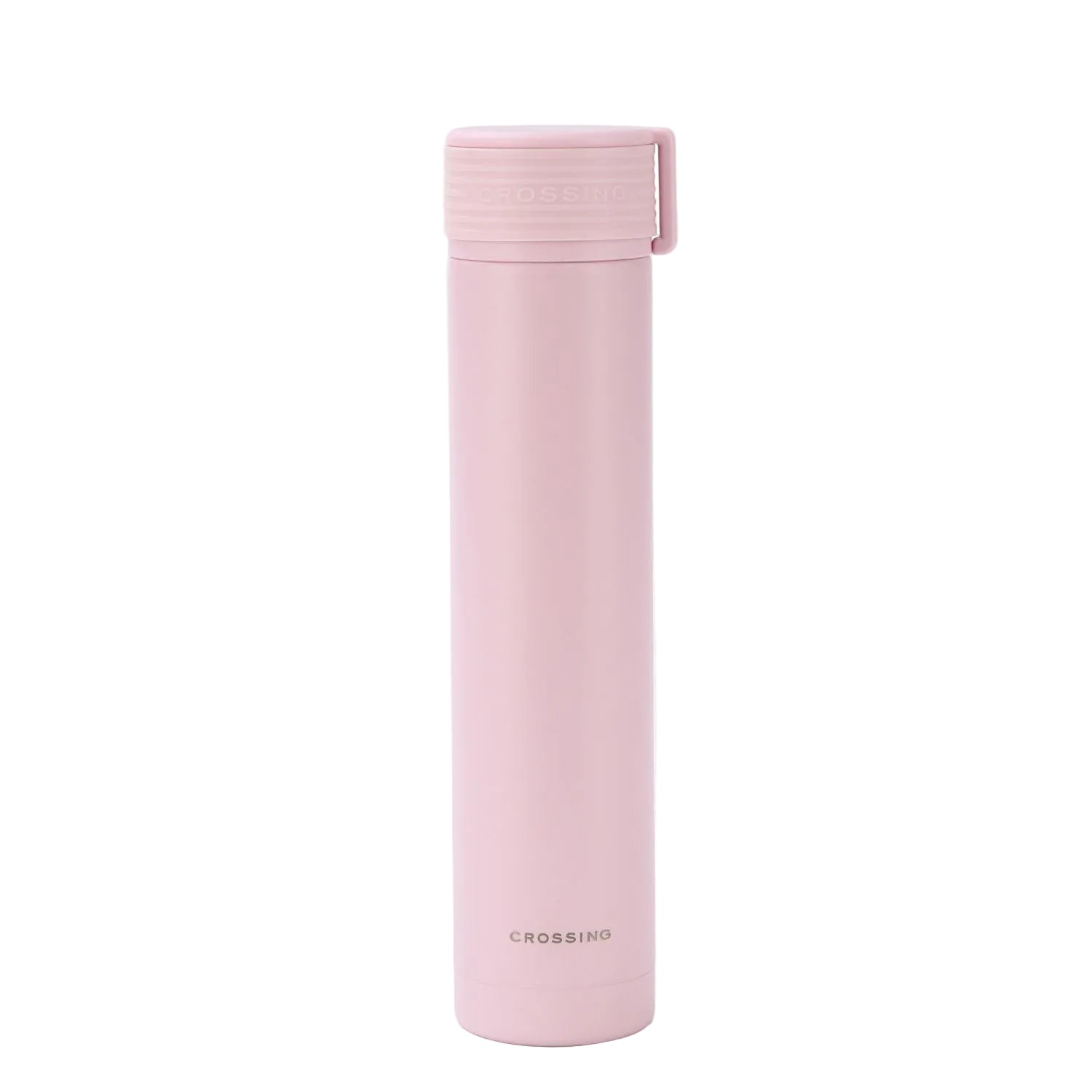
SKU: CSB/B3007/250/BLPK
AVAILABILITY: In stock (10 items)
PRODUCT TYPE:
VENDOR: Crossing
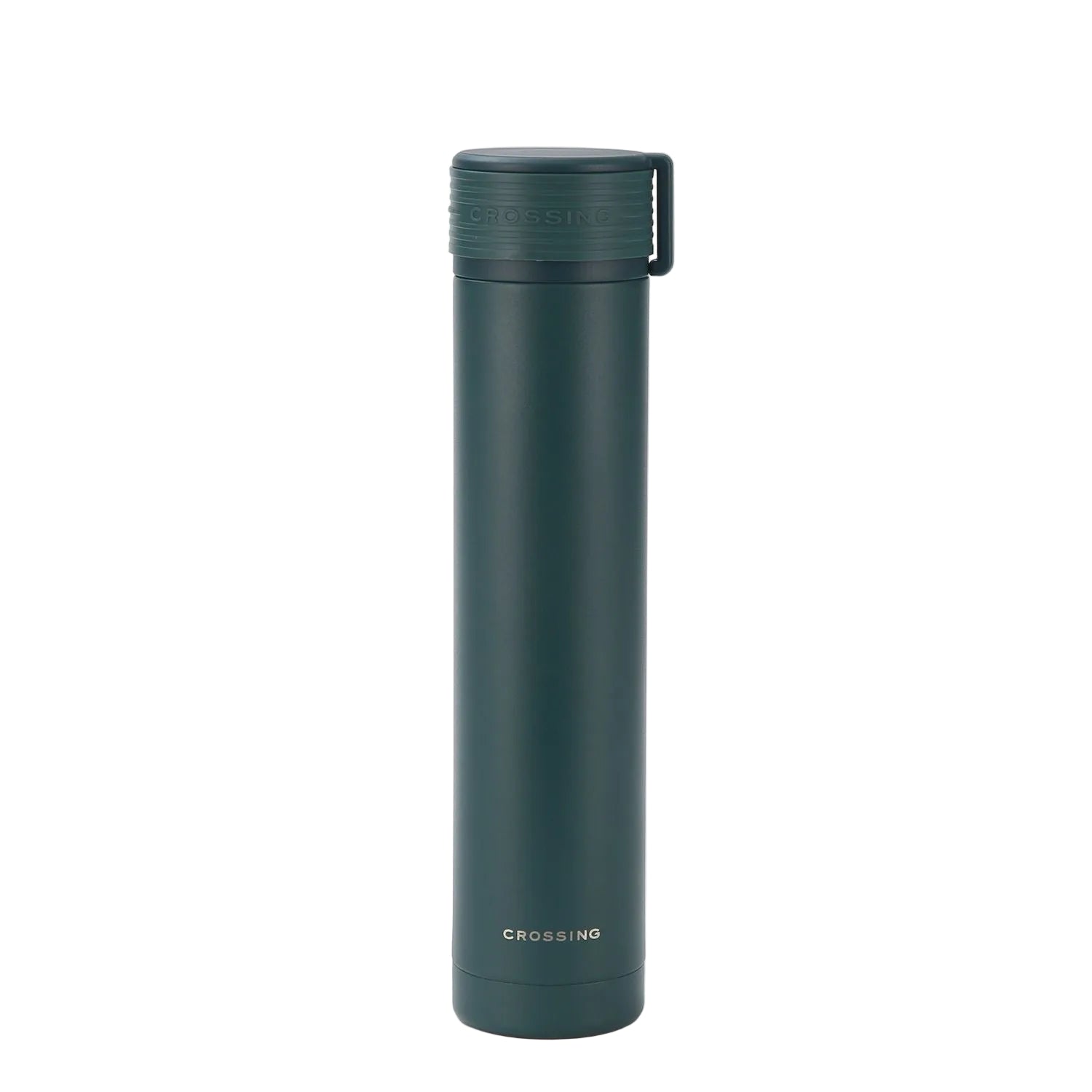
SKU: CSB/B3007/250/SQUA
AVAILABILITY: In stock (5 items)
PRODUCT TYPE:
VENDOR: Crossing
How to Care for Your Stainless Steel Water Bottle
Even the best bottle deserves proper care to stay safe long-term:
🧼 Wash regularly with mild soap and warm water (avoid boiling water rinses)
🍋 Don't leave acidic drinks sitting inside for days
🔍 Inspect regularly — replace your bottle if you spot rust, dents, or damaged lining
🚫 Skip the dishwasher for the exterior finish where possible
Final Thoughts: Choose a Bottle You Can Trust
What holds your water matters just as much as the water itself. Whether you go with our everyday 304 stainless steel range or upgrade to the Crossing Compact Slim in 316 stainless steel, you can hydrate confidently — knowing your bottle is built with food-safe, lead-free, and rust-resistant materials.
Stay hydrated. Stay safe. 💧
 NEWSLETTER


